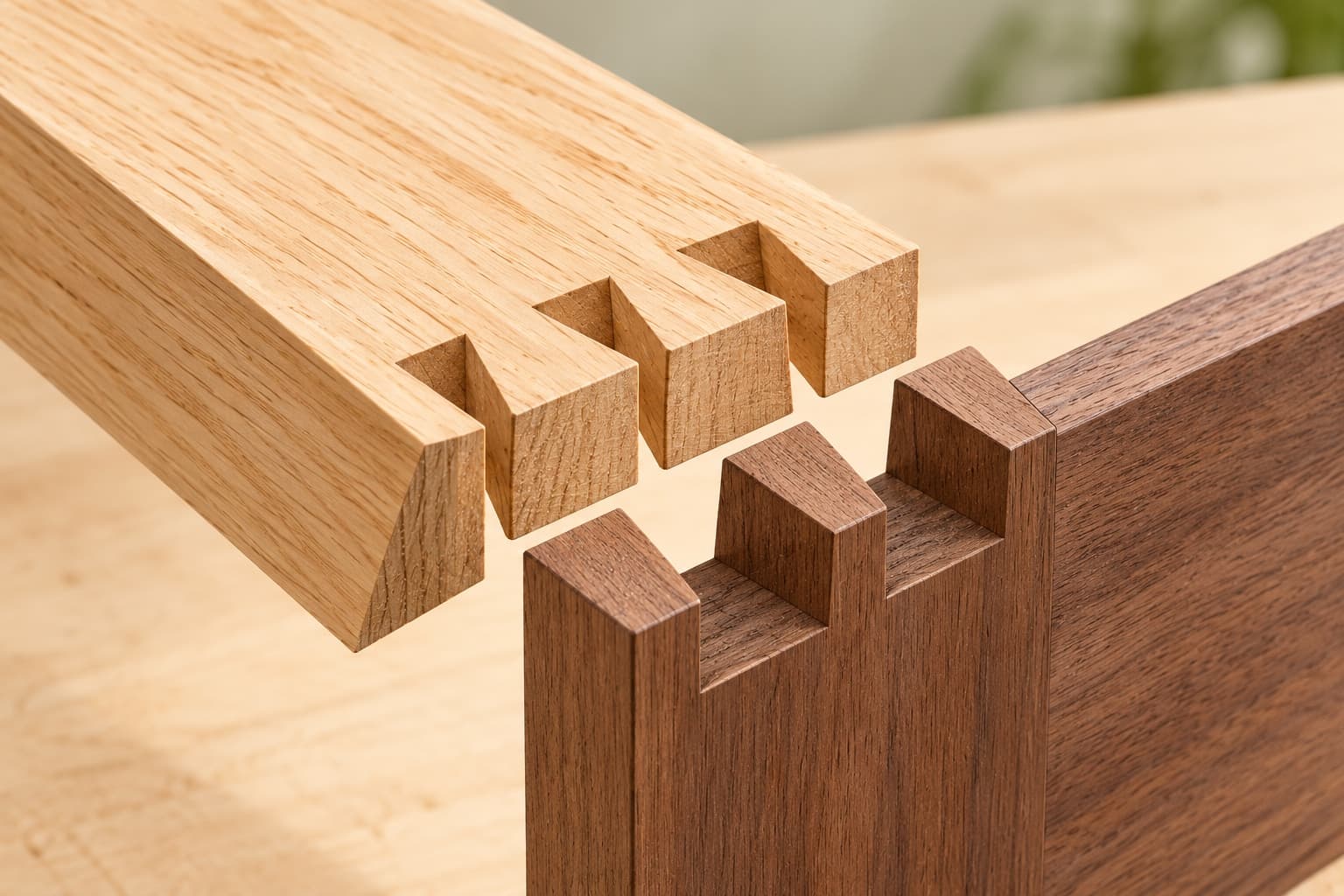
Did you know?
Why is the base of a ceramic cup often unglazed?
Turn your cup over: where it rests on the table, a narrow ring is often left without glaze. This small detail tells you something about how it was made.
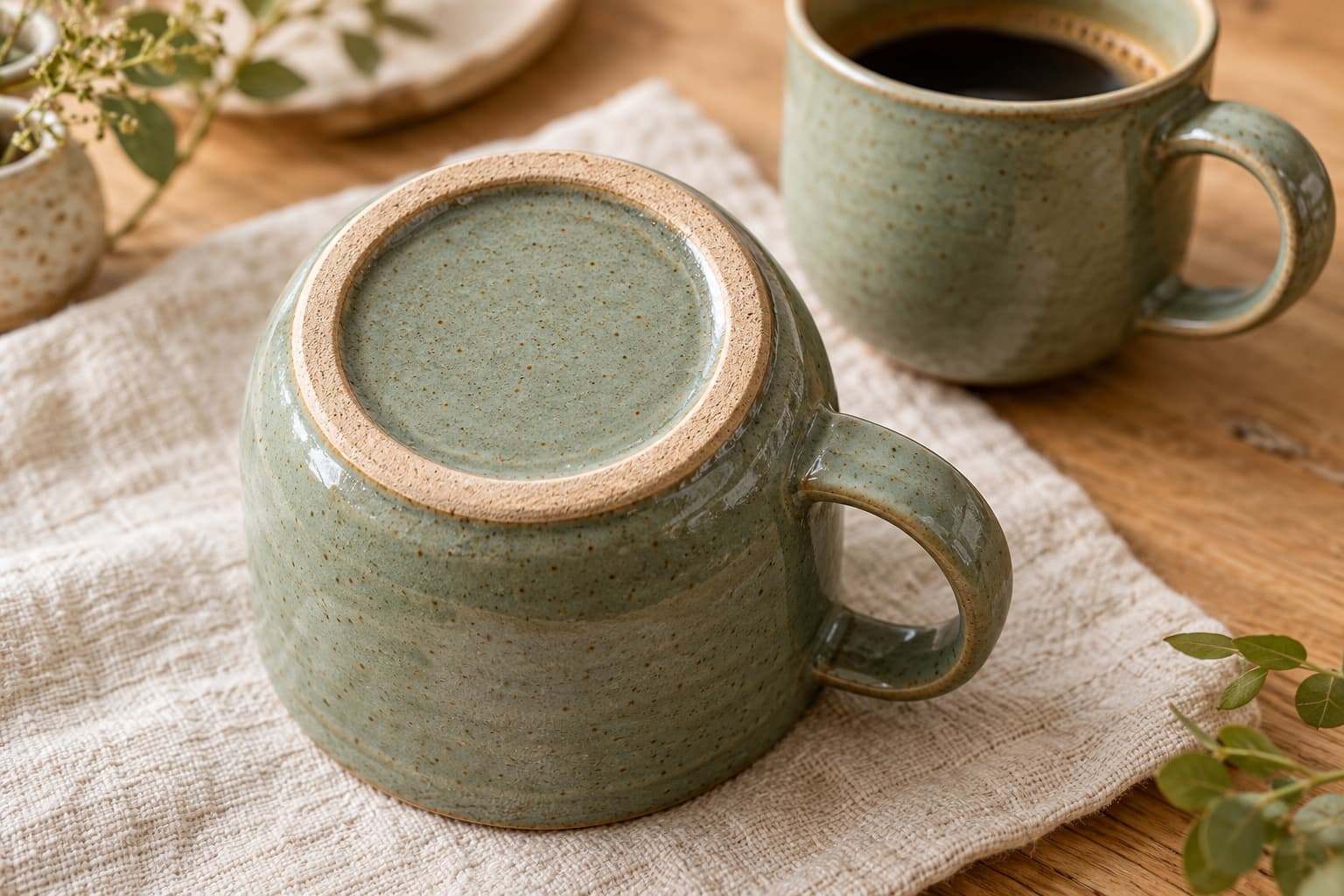
During glaze firing, the glaze melts and forms the vessel's surface. If it touches the kiln shelf directly, the cup can fuse to the shelf. That is why the standing surface of many ceramic vessels is left free of glaze.
This area is often called the foot ring. It provides contact with the surface beneath and is also part of the design: its shape helps determine how a vessel stands and how its base looks. The entire underside does not have to be unglazed.
Next time you pick up a cup or bowl, take a look underneath. Material, making and design meet here in just a few centimetres.